
Clay tile roofing is one of the oldest and most respected roofing systems in the world, valued for its durability, thermal performance, and architectural elegance. Used for centuries across Europe, the Mediterranean, and the Americas, clay tile roofs continue to be a premium choice for modern residential and high-end construction projects.
This page provides an in-depth look at clay tile roofing systems, including how they work, why they last so long, installation requirements, maintenance considerations, and how they perform across different climates and architectural styles.
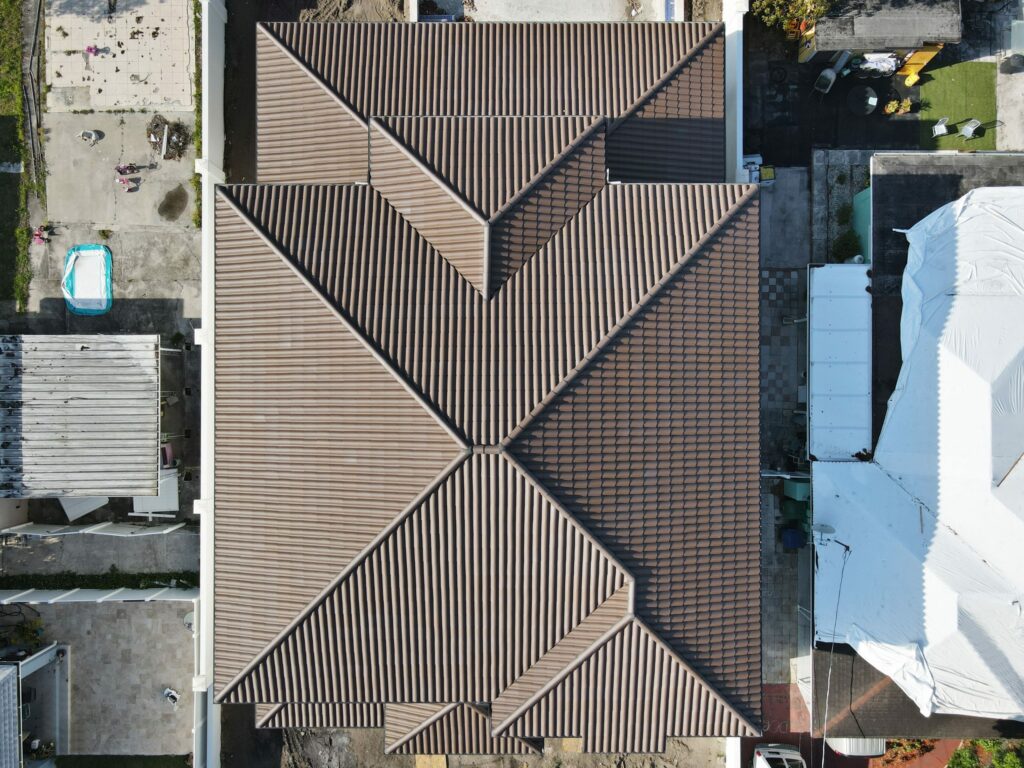
What Makes Clay Tile Roofing Unique?
Clay tiles are manufactured from natural clay that is shaped, dried, and kiln-fired at high temperatures. This firing process creates a dense, hard roofing material that resists deterioration from weather, sunlight, and moisture.
Unlike roofing materials that rely on chemical coatings or adhesives, clay tile’s strength comes from its natural composition. The tile itself does not rot, rust, or break down due to UV exposure, which is a key reason clay tile roofs often last 50–100 years when properly installed.
Clay tile roofing systems function as a water-shedding roof, meaning rainwater flows across overlapping tiles rather than relying on a sealed surface. This layered design provides natural ventilation and reduces trapped heat and moisture.
Structural Characteristics of Clay Tile Roofing
Clay tile roofs differ structurally from lightweight roofing systems and require specific considerations:
- Tile Weight: Clay tiles are heavier than asphalt shingles, requiring proper roof framing and load assessment
- Overlapping Design: Tiles overlap to direct water away from the roof deck
- Battens or Direct Deck Attachment: Tiles may be installed on battens or secured directly to the roof deck
- High-Performance Underlayment: The underlayment acts as a secondary water barrier beneath the tiles
Because the tiles themselves are not fully waterproof, the system relies on correct slope, flashing, and underlayment integration to perform effectively.
Types of Clay Tile Profiles
Clay tile roofing is available in multiple profiles, each affecting appearance, drainage, and installation technique.
Barrel (Spanish or Mission Tile)
Barrel tiles feature a rounded shape that creates alternating ridges and valleys. This profile is commonly associated with Mediterranean, Spanish Colonial, and Southwestern architecture and provides excellent water runoff.
Flat Clay Tile
Flat tiles offer a more contemporary or transitional look. They provide clean lines and are often used on modern or European-style homes while still delivering the durability of clay.
Interlocking Clay Tile
Interlocking tiles are engineered with grooves that lock together, improving wind resistance and installation efficiency while maintaining a traditional appearance.
Each profile requires precise layout and fastening methods to ensure long-term performance.
Performance Benefits of Clay Tile Roofing
Exceptional Longevity
Clay tiles do not degrade like petroleum-based roofing products. While underlayment may require replacement over time, the tiles themselves can often be reused, contributing to their long lifecycle.
Thermal Regulation
Clay tiles naturally reflect heat and allow airflow beneath the tile surface. This helps reduce attic heat buildup and supports better indoor temperature regulation, especially in warm climates.
Fire Resistance
Clay tile roofing carries a Class A fire rating. The material is non-combustible, making it an excellent choice for fire-prone areas or properties seeking maximum safety standards.
Weather Resistance
Clay tiles perform well in:
- High heat and UV exposure
- Heavy rainfall
- Coastal environments (with proper fastening)
- Freeze-thaw conditions when installed correctly
Their resistance to rot and insects further enhances durability.
Installation Requirements and Best Practices
Clay tile roofing installation is a specialized process that must account for both structural and environmental factors.
Structural Evaluation
Before installation, the roof structure must be evaluated to ensure it can support the weight of clay tiles. Reinforcement may be required in some cases.
Underlayment Selection
High-quality underlayment is critical. It serves as the waterproof barrier beneath the tile system and must be compatible with local climate conditions.
Flashing Integration
Flashing around penetrations, valleys, and roof transitions must be precisely installed to prevent water intrusion.
Proper Fastening
Fasteners, clips, or mortar must meet wind uplift and building code requirements. Improper fastening is one of the most common causes of tile failure.
Because clay tile systems rely on craftsmanship as much as materials, installation quality directly impacts lifespan and performance.
Maintenance and Long-Term Care
Clay tile roofs are low maintenance compared to many roofing systems, but periodic care is essential.
Recommended maintenance includes:
- Visual inspections after storms
- Replacement of cracked or displaced tiles
- Clearing debris from valleys and gutters
- Monitoring flashing and roof penetrations
- Avoiding foot traffic by untrained individuals
While the tiles themselves are extremely durable, improper walking can crack tiles, so professional inspection is always recommended.
Clay Tile Roofing vs. Other Roofing Materials
When compared to other roofing options:
- Asphalt Shingles: Lower upfront cost but significantly shorter lifespan
- Metal Roofing: Lightweight and durable but offers a different aesthetic
- Concrete Tile: Similar appearance but heavier and less color-stable over time
Clay tile stands out for homeowners prioritizing longevity, architectural character, and long-term value rather than short-term savings.
Cost Considerations and Return on Investment
Clay tile roofing typically has a higher initial cost due to materials, labor, and structural requirements. However, over decades of use, it often proves more economical due to:
- Fewer replacements
- Minimal material degradation
- Increased property value
- Reduced maintenance frequency
Many homeowners view clay tile as a generational roofing system rather than a temporary solution.
Architectural Compatibility
Clay tile roofing complements a wide range of architectural styles, including:
- Mediterranean and Spanish Colonial
- Coastal and tropical designs
- European-inspired homes
- Modern homes using flat tile profiles
Its natural texture and color variation add depth and character that manufactured materials often cannot replicate.
A Roofing System Built to Endure
Clay tile roofing remains one of the most resilient and visually distinctive roofing systems available. Its ability to withstand time, weather, and environmental stress makes it a preferred choice for homeowners seeking durability, performance, and architectural elegance in a single solution.
For expertly installed and professionally managed clay tile roofing projects, A Squared Roofing provides the experience, technical knowledge, and attention to detail required for long-term success. Contact A Squared Roofing to explore clay tile roofing solutions designed to protect and enhance your property for decades to come.